India’s ₹20,000 crore push toward Carbon Capture, Utilization and Storage (CCUS) is more than a policy headline. It is a signal that a new climate-tech opportunity is opening up.
But funding alone does not create working systems.
Between a promising idea and a pilot-ready solution, there is a hard engineering gap. Startups and research teams may have strong concepts in carbon capture, pollution monitoring, pyrolysis, waste conversion, or bioreactors, but many still need the practical layer around them: sensing, control, automation, data visibility, and rapid prototyping.
That is where real progress starts.
The hidden gap in climate-tech
Most people think of CCUS as a large industrial project. That is only part of the story.
Before large-scale deployment, teams need smaller but critical systems such as:
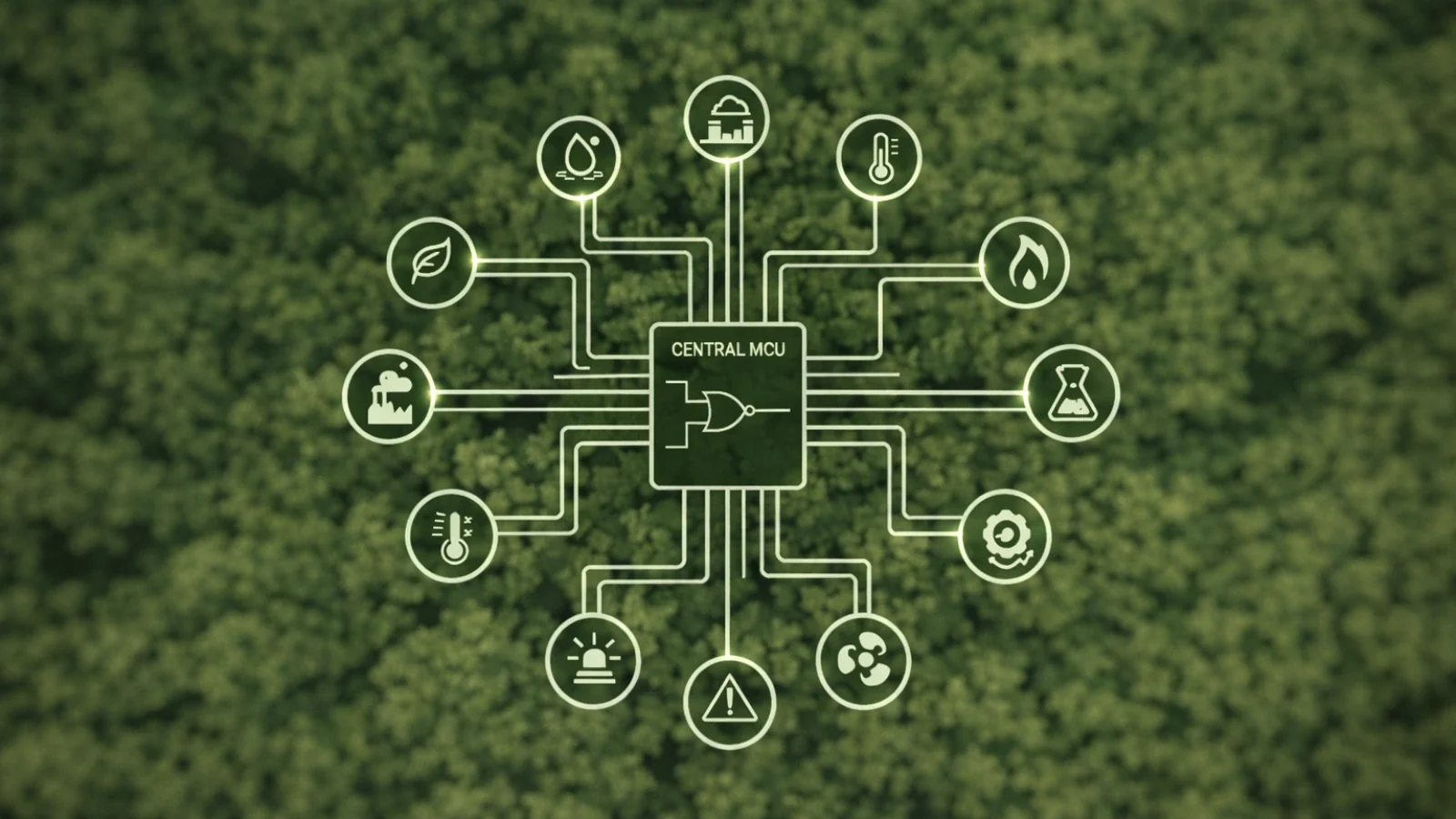
- sensor-integrated monitoring
- embedded control systems
- automation workflows
- dashboard visibility
- pilot-ready prototype hardware
Without these, even a strong concept can struggle to move beyond the lab.
Why this matters now
India’s CCUS momentum will not just create demand for capture plants. It will also create demand for supporting technologies across:
- industrial sensing
- pollution monitoring
- emissions intelligence
- pyrolysis and waste conversion pilots
- bioreactor instrumentation
- prototype engineering for sustainability systems
This is where many early opportunities will emerge.
How Ayantrik can contribute
Ayantrik’s role is not to claim full-scale CCUS plant expertise.
The practical opportunity is clearer than that.
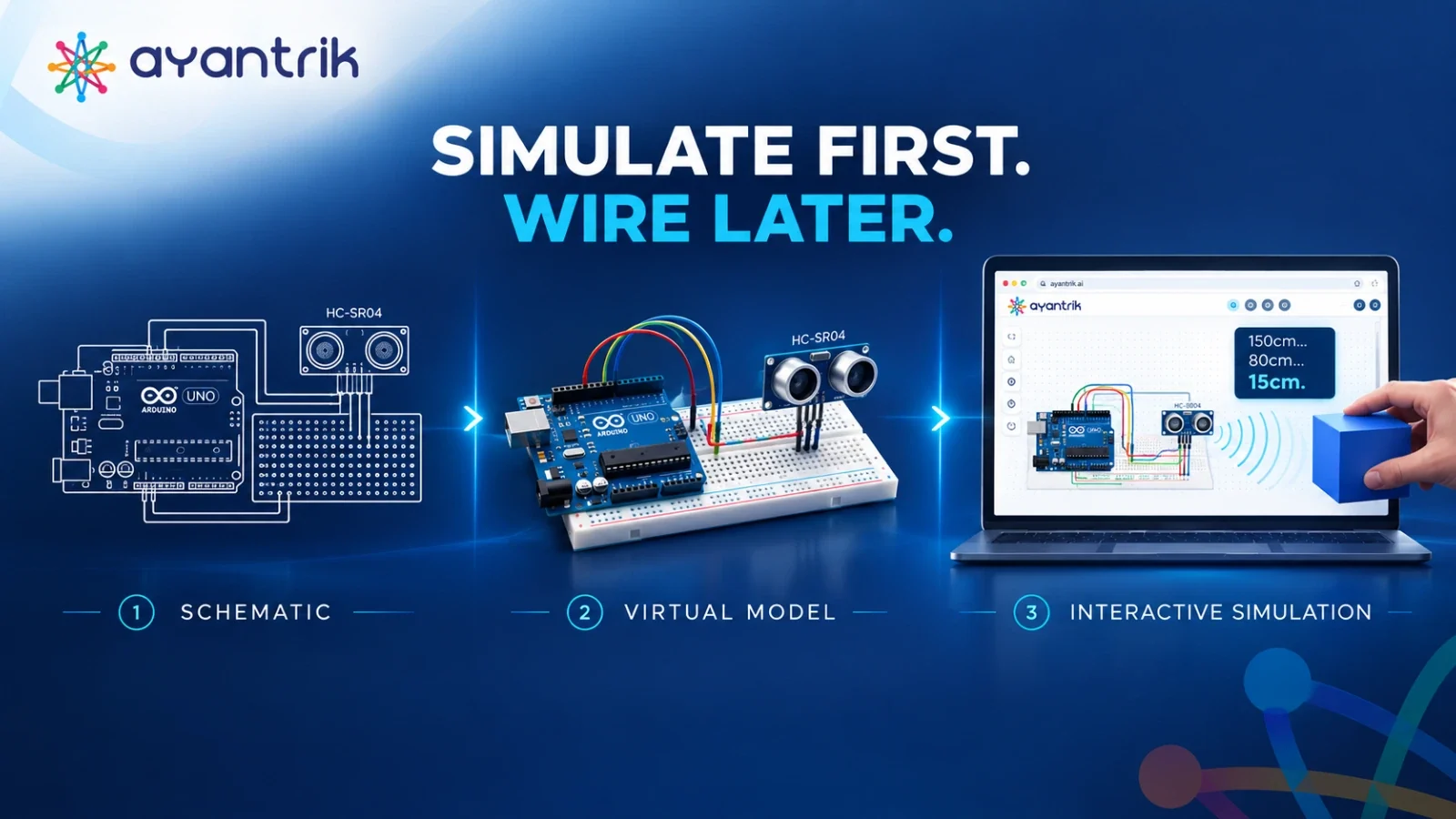
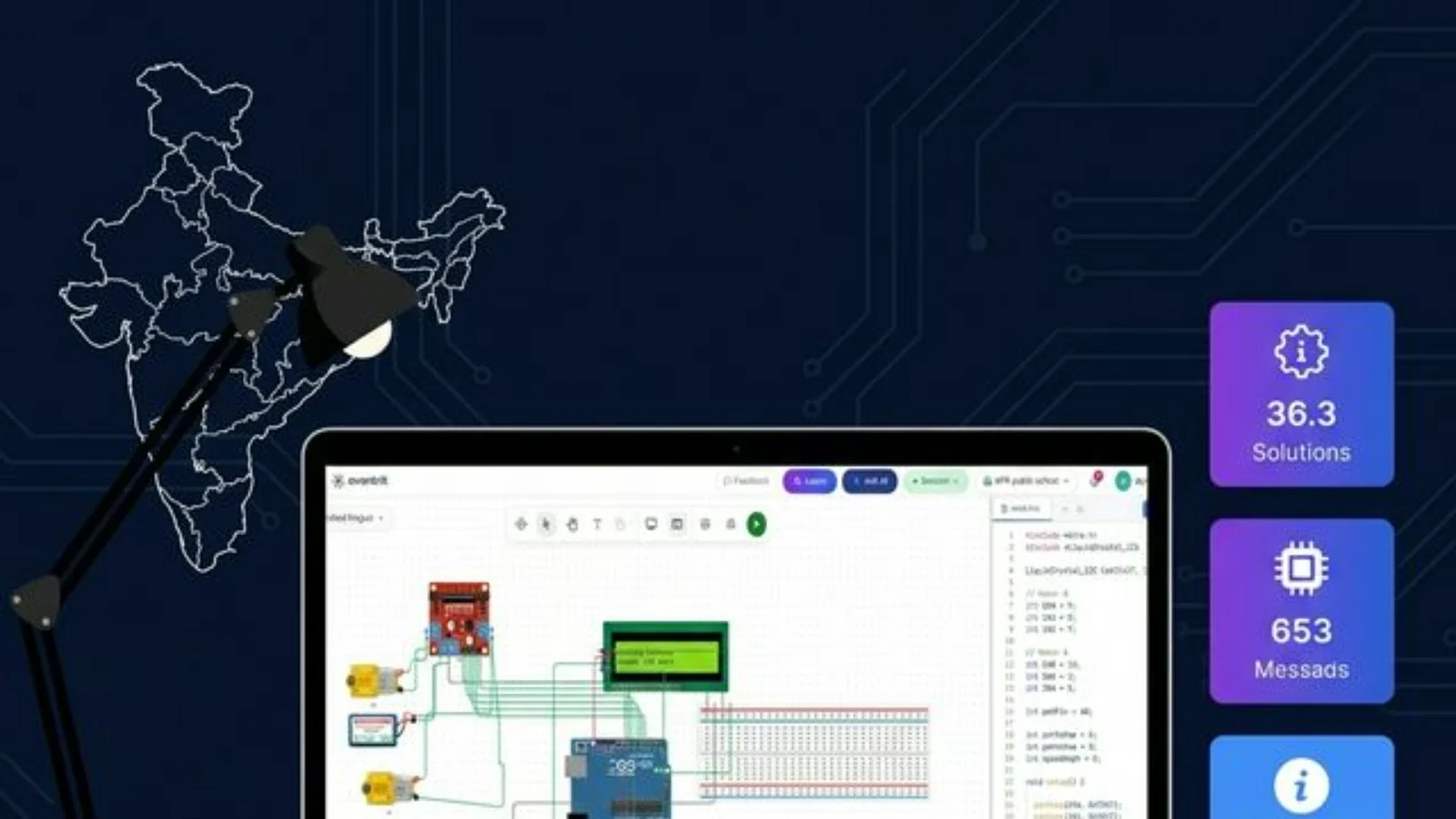
Ayantrik can help startups, labs, and industrial innovators build the prototype, monitoring, automation, and intelligence layer around climate-tech systems.
That includes:
- sensor integration
- embedded electronics and controller logic
- automation systems
- AI-enabled dashboards
- rapid prototype development
In simple terms: if a team has the core idea, Ayantrik can help build the first working system around it.
Not every company needs a plant on day one
This is the point many people miss.
A climate-tech company does not always need to start with a large plant or full industrial deployment. Often, the smarter first step is:
- a proof of concept
- a sensorized MVP
- a control system
- a lab-scale rig
- a pilot-ready demo
That first prototype is what helps unlock validation, funding, partnerships, and next-stage pilots.
Final thought
Big funding creates headlines.
Working prototypes create industries.
India’s CCUS push will need more than announcements. It will need builders who can turn ideas into pilot-ready systems. That is where Ayantrik wants to contribute.
Building in CCUS, pollution monitoring, pyrolysis, waste conversion, bioreactors, or sustainability systems? Let’s engineer the prototype that proves your vision.